Skip to content

Research

Clemson's Student Research Informs Industries

From mass timber to microbe diversity in coastal ecosystems and even genetics, Clemson students dive into research projects as early as freshman year. Their work with industry partners in labs, fields and hospitals across South Carolina connects students with employers while providing access for industry partners to the powerful resources available at Clemson. Choose your program of study, join a research team and meet the professionals who benefit from your work. It all begins at Clemson.

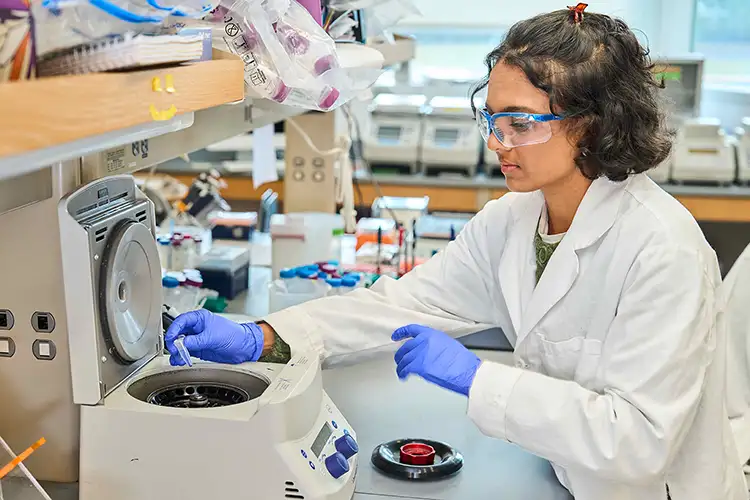
A female student researcher wearing safety glasses, a white lab coat and blue gloves places a sample tube into a benchtop centrifuge in a laboratory.

FROM RESEARCH TO MEDICINE

Yashvi Patel, biochemistry and psychology ’26

Before her senior year, Yashvi Patel completed a clinical research internship at the Mayo Clinic, reviewing patient data to analyze patterns in stroke treatment and recovery. It was among the numerous opportunities Clemson connected her to that shaped her path to medical school. She investigated DNA repair in labs on campus and at the Medical University of South Carolina and shadowed physicians at an Upstate hospital. These experiences gave Yashvi valuable insight into both the scientific and human-centered aspects of a career in medicine.

Learn about her research journey

Undergraduate Research Opportunities at Clemson

Each year, more than 4,600 undergraduate students at Clemson work together with peers, graduate students and faculty mentors on research projects that ignite their interests. Discover what it’s like to work with a team toward new solutions that revolutionize treatments, techniques and industries in South Carolina and beyond.

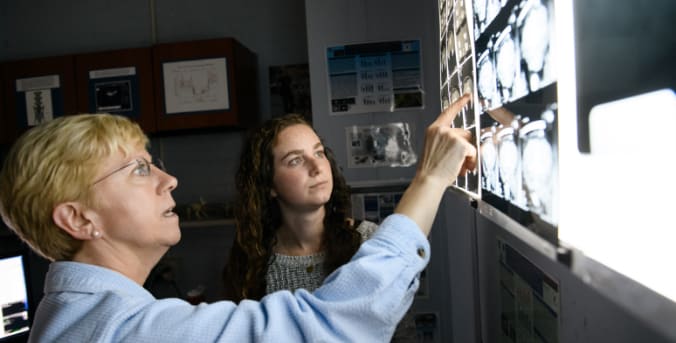
Faculty advisor and undergraduate student examine Xrays together.

Creative Inquiry

Every Clemson student has the opportunity to begin a research project with faculty support and University resources through Creative Inquiry. These team-based research projects are led by a faculty mentor and typically span two to four semesters. Through Creative Inquiry, undergraduate students discover the answers to their burning questions and present their solutions at conferences across the country, answering questions from industry professionals.

Learn More About Creative Inquiry at Clemson
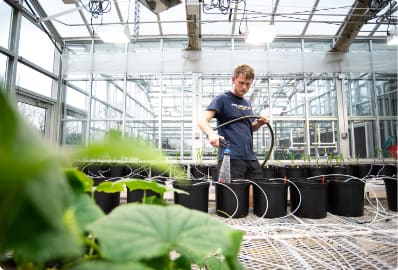
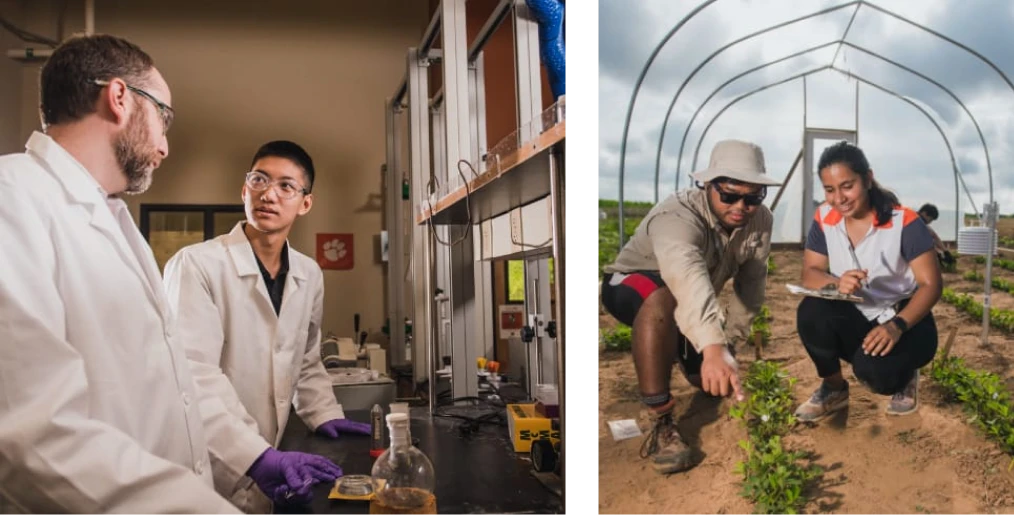
A composite image one of Two undergraduate students examine plants and take notes in a greenhouse, another a Faculty advisor and male student work together in a science lab.

EUREKA!

Experiences in Undergraduate Research, Exploration and Knowledge Advancement (EUREKA!) is a summer research opportunity for 33 first-year students in the Clemson University Honors College.

Choose a research project, learn how to work alongside graduate and faculty researchers in the lab, and even present your findings at a final symposium. This is a great opportunity to explroe new academic areas and make friends in the process!

Learn About EUREKA! at Clemson

Graduate Research Opportunities at Clemson

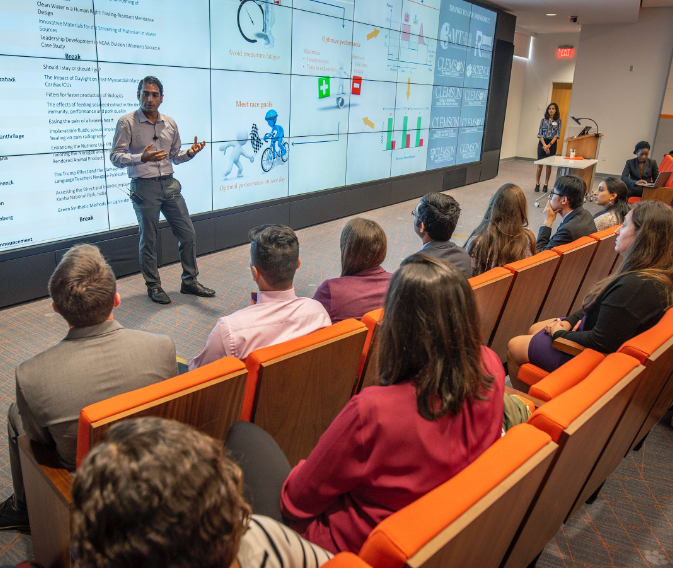
A male lecturer presents on a large screen to two rows of students in the Watt Innovation Center.

Clemson University connects graduate and postdoctoral students with industry partners, government officials and state-of-the-art facilities to conduct research that solves the world’s pressing problems and moves industry forward. Enjoy relationships with faculty mentors who truly care about your professional and personal development, then give back by sharing your expertise with undergraduate students. When you pursue your postgraduate degree at Clemson, you become a powerful contributor to the Clemson Family, the state of South Carolina and the world.

GRAD 360°

This program is unique to Clemson and tailored to the graduate and postdoctoral experience. Gain transferable skills in nine focus areas and create a portfolio to track your development with guidance from your mentor through GRAD 360°. You can enrich your Clemson experience, form meaningful relationships and prepare for your ideal career by participating in GRAD 360°.

GRAD 360°

Student Research Stories